Computer Vision in Education
Description:
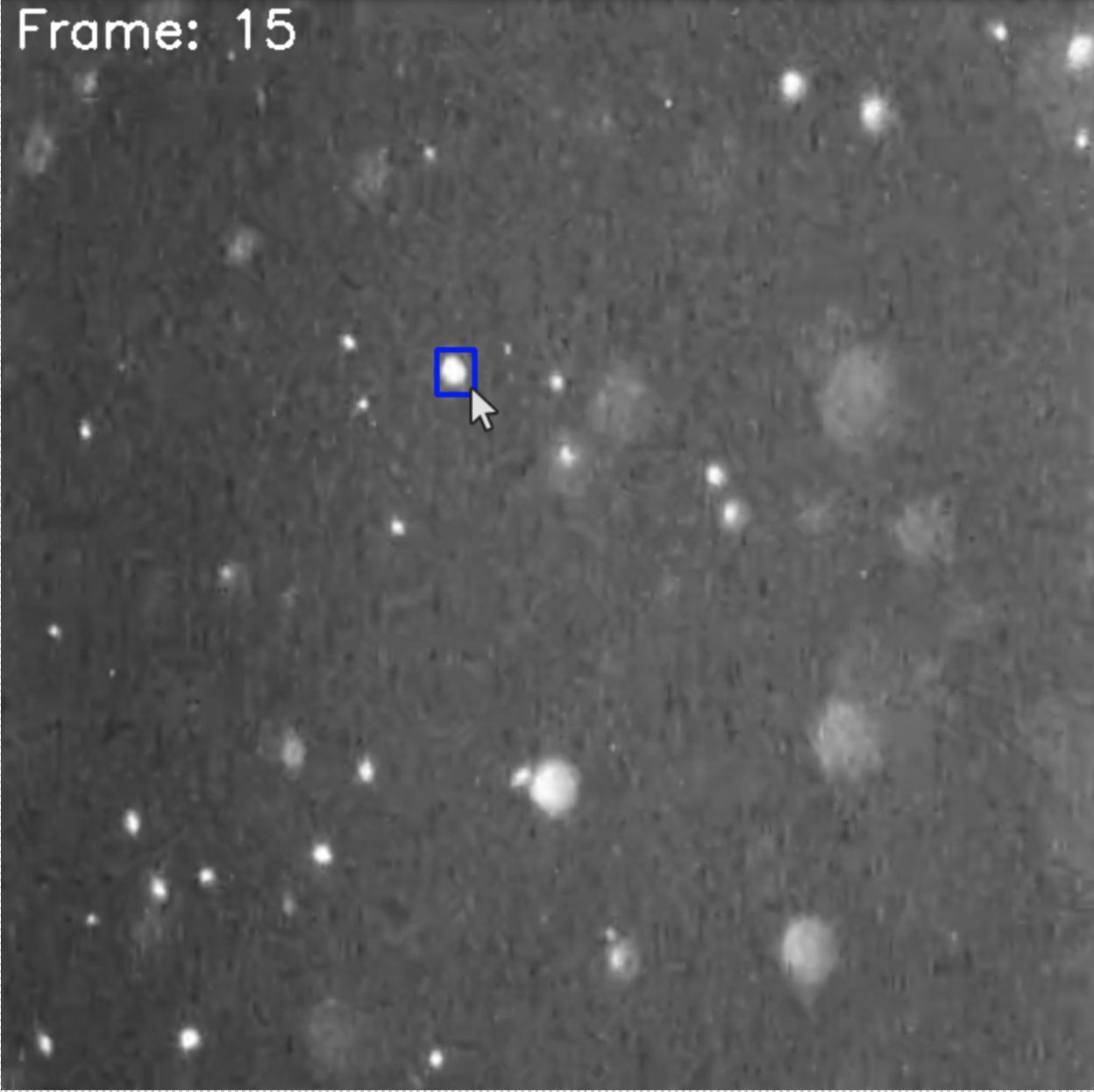
Educational laboratories have long been the foundation for teaching core scientific principles, particularly in the natural sciences. Among these, the Millikan Oil-Drop Experiment holds a unique position as a crucial exercise in undergraduate physics education, recognized for its precise measurement of the elementary electric charge—a feat that earned Robert A. Millikan the Nobel Prize in 1913 Millikan. (1913). Despite its historical significance, the execution of this experiment in modern academic settings remains rooted in outdated methodologies, often resulting in student disengagement, high error rates, and diminished learning outcomes Klassen (2009); Silva and Mahendra (2005); Li et al. (2024). For decades, various attempts have been made to improve the pedagogical efficacy of the Millikan experiment. In 2005, Silva and Mahendra introduced digital video microscopy to streamline the data collection process, reducing manual effort and improving precision Silva and Mahendra (2005). However, challenges persist: students are still required to manually convert pixel measurements to real-world units, skip frames in video recordings, and calculate particle velocities—a time-consuming process prone to error. This project aims to modernize the Millikan Oil-Drop experiment through the integration of Human Computer Interaction (HCI) principles and Computer Vision (CV) technology.
Publications:
Evaluating a Computer Vision Enhancement of the Millikan Oil-Drop Experiment. In M. J. Smith (Ed.), Human-Computer Interaction – Part VI .